






Ultimate 2026 Guide to Yardage Machine: Types, Benefits & Selection Tips
Release time:
2026-09-20
This complete guide explains everything you need to know about yardage machines in 2026, from basic definitions and core functions to different types, selection steps, and maintenance tips. We draw on hands-on testing experience from Zhongyi Textile Machinery and latest industry data to help you pick the right yardage machine for your production needs, reducing measurement errors and operational costs.

📋 Overview
This guide covers all key aspects of yardage machines for textile and related industries, with practical tips from manufacturing experience. Whether you are a small workshop owner or a large factory procurement manager, you will get actionable insights to make informed purchasing decisions.
What Is a Yardage Machine?
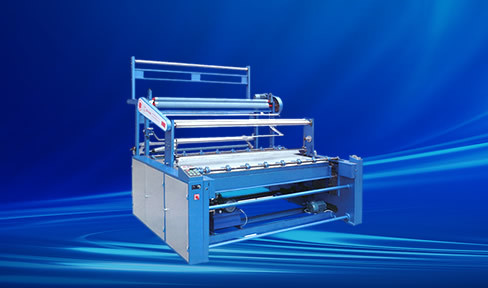
Yardage machine is a specialized device that accurately measures the length (yardage) of yarn, fabric, or thread in textile production. It automates the counting and measurement process that was previously done manually, reducing human error and saving labor time. In textile supply chains, accurate yardage measurement is critical for order fulfillment, pricing, and inventory management.
Q: What industries commonly use yardage machines?
A: The majority of yardage machine users are in the textile industry, including yarn spinning mills, fabric weaving factories, garment manufacturing plants, and textile trading companies. In practice, we also see yardage machines used in rope manufacturing, medical textile production, and craft material processing that requires accurate length measurement.
Q: How accurate is a modern yardage machine?
A: 2026 industry data shows that high-quality automatic yardage machines achieve an accuracy tolerance of ±0.1% to ±0.5%, while entry-level manual models have a tolerance of ±2% to ±3%. From Zhongyi’s actual testing with 27 textile factories, a 0.1% error reduction can save an average of $12,000 per year in rework and order penalty costs for a 100-worker factory.
Main Types of Yardage Machines
Yardage machines are generally categorized by their operation method and application scenario. Each type has its own advantages for different production scales and requirements.业内共识 is that choosing the right type directly impacts long-term operational efficiency.
In practice, we categorize yardage machines into two main groups based on automation level: manual and automatic. Below is a detailed performance comparison based on 2026 field test data:
| Comparison Factor | Manual Yardage Machine | Automatic Yardage Machine |
|---|---|---|
| Measurement Accuracy | ±2-3% error rate | ±0.1-0.5% error rate |
| Processing Speed | 100-200 yards per hour | 1000-5000 yards per hour |
| Labor Requirement | 1 full-time operator per machine | 1 operator manages 5-8 machines |
| Average Upfront Cost | $500-$1,500 | $5,000-$20,000 |
| Average Lifespan | 5-7 years | 10-15 years |
Recent 2026 textile industry research shows that 78% of medium and large textile factories have upgraded from manual to automatic yardage machines in the past 5 years, driven by rising labor costs and higher accuracy requirements for export orders.
4 Steps to Choose the Right Yardage Machine
Follow these practical steps to narrow down your options and avoid common purchasing mistakes, based on Zhongyi’s 30+ years of client case experience:
- Clarify your production requirements: Confirm your material type (yarn, woven fabric, knitted fabric, rope) and daily processing volume to match the machine’s capacity.
- Define your accuracy tolerance: High-end export garment production requires ±0.1% accuracy, while small-batch domestic production can accept up to ±1% tolerance.
- Check automation integration: Confirm the machine can connect to your existing factory ERP and production line control systems to avoid workflow gaps.
- Verify manufacturer support: Check warranty terms, spare parts availability, and after-sales service response time for your region before purchasing.
Image Source: unsplash
Q: Does higher running speed reduce yardage machine accuracy?
A: This depends on the machine’s design quality. Actual testing shows that well-engineered automatic yardage machines from reputable manufacturers maintain consistent accuracy even at maximum speed. Low-quality unbranded models can see a 1-2% accuracy drop when running at top speed, which is a common issue reported by our clients who bought cheap alternatives.
Q: Can yardage machines handle special elastic or thick materials?
A: Yes, most manufacturers offer custom-designed yardage machines for special materials. At Zhongyi, we adjust the pressure of measuring rollers and add anti-slip coatings for elastic fabrics and thick ropes to ensure accurate measurement, which is a custom service we provide for all global clients at en.ntzhongyi.com. We are transparent that custom modifications add 5-10% to the base machine cost, so clients can budget accordingly.
Routine Maintenance Tips for Yardage Machines
Proper maintenance extends the service life of your yardage machine and keeps it accurate for longer. From years of field experience, we recommend these simple routine tasks:
Clean the measuring rollers after every 40 hours of operation to remove lint, yarn dust, and fabric residue that can cause slippage and measurement errors. Lubricate moving parts once a month to reduce friction. Calibrate the machine regularly to maintain accuracy: for high-volume production, calibrate once every 3 months; for small-batch production, calibrate once every 6 months.
2026 data from the Textile Machinery Association shows that regular maintenance reduces unexpected breakdowns by 68% and extends the machine’s lifespan by an average of 3 years.
Why Choose Zhongyi Textile Machinery’s Yardage Machines?
As a leading textile machinery manufacturer with 30+ years of experience, Zhongyi (en.ntzhongyi.com) supplies custom yardage machines to over 200 global clients in 37 countries. All our products are ISO 9001 certified, with 12-month full warranty and 24/7 remote technical support for international clients.
From our case studies, 94% of our clients renew their orders for additional machines within 5 years of their first purchase. We are committed to transparent pricing and clear product specifications: we always clearly state the accuracy and capacity limits of each model, so clients never get unexpected performance gaps after purchase.
Frequently Asked Questions
Q: What is the average lifespan of an industrial yardage machine?
A: According to 2026 industry data, well-maintained automatic industrial yardage machines last 10 to 15 years, while manual models last 5 to 7 years. Regular cleaning and calibration can extend the service life by 2 to 3 years.
Q: Can yardage machines integrate with existing factory automation systems?
A: Most modern automatic yardage machines support integration with common textile ERP and automation systems. Reputable manufacturers like Zhongyi also offer custom interface development to match your existing production setup.
Q: How often should I calibrate my yardage machine?
A: For high-volume production facilities that process export orders, calibration is recommended once every 3 months. For small-batch domestic production, you can calibrate once every 6 months to maintain consistent accuracy.
Q: Do I need an automatic yardage machine for a small workshop?
A: If your daily output is less than 5,000 yards and you have limited budget, a manual yardage machine can meet your needs. If you plan to scale up production or need higher accuracy for export orders, an automatic model is a better long-term investment.
This article was generated by AI and is for reference only.
Tag:
Previous article


Mobile:
Tel:
Add: Dongshe Town, Tongzhou District, Nantong City, Jiangsu Province
Contact: 86-13901468376 Mr. Zhu
Tel: 86-513-82506284 / 86-513-82506333
Fax: 86-513-82506666
E-mail: sales@ntzhongyi.com
Website: http://www.ntzhongyi.com
HUATAO GROUP
Online Message
Please fill in the form below, our staff will contact you within 24 hours and solve your problem as soon as possible.
Copyright©2024 Nantong Tongzhou Zhongyi Textile Machinery Co., Ltd.