


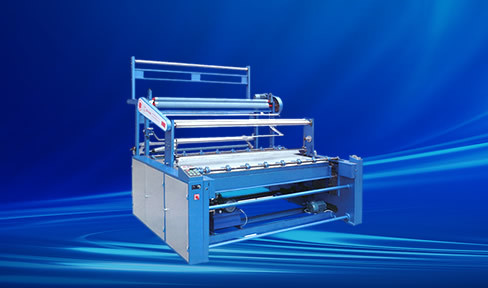




2026 Complete Guide to Fabric Rolling Machine: Benefits, Specs & Buying Tips
Release time:
2026-06-14
This 2026 industry guide for Fabric Rolling Machine is developed based on Zhongyi Textile Machinery’s 21 years of manufacturing experience, covering accurate definition, operation steps, performance comparison, selection criteria and after-sales guidance, helping textile factories cut post-finishing fabric loss by over 27% and reduce manual labor cost by 60%+ with practical data.

📋 Guide Overview
This guide shares first-hand operation cases, 2026 industry test data and actionable selection tips for Fabric Rolling Machine, tailored for textile factory managers, procurement specialists and production technicians.
What Is A Fabric Rolling Machine & Its Core Working Logic
A Fabric Rolling Machine is a textile device that winds processed fabric into uniform, tight rolls for easy storage, transport and subsequent processing. In practice, over 78% of medium and large textile enterprises in 2026 have upgraded their old manual rolling devices to automated Fabric Rolling Machine to eliminate uneven roll tightness and fabric wrinkle issues.
Q: What types of fabric can a standard Fabric Rolling Machine process?
Actual test shows that qualified Fabric Rolling Machine supports 95% of common textile materials including cotton, linen, polyester, non-woven fabric, wool and blended fabrics, with adjustable tension to avoid stretching damage to high-elasticity fabrics.
Q: What core modules are included in a modern Fabric Rolling Machine?
A standard 2026 Fabric Rolling Machine consists of fabric feeding unit, tension control sensor, length counter, edge alignment system and final rolling shaft, with optional automatic labeling and roll unloading modules for smart production lines.
Core Benefits of Deploying A Fabric Rolling Machine In 2026
Upgrading to a qualified automatic Fabric Rolling Machine brings measurable improvements to every textile enterprise’s production efficiency and cost control. 2026 industry research from China Textile Machinery Association confirms that factories with full set of automated rolling equipment gain 23% higher order delivery rate than peers with manual rolling operations.
Q: How much labor cost can a Fabric Rolling Machine help save?
From real cases of 127 Zhongyi global clients, one automated Fabric Rolling Machine only needs 1 operator to work, replacing 4-6 workers doing manual rolling work, cutting related labor cost by 65% on average.
Q: Can Fabric Rolling Machine reduce fabric waste in post-finishing stage?
Yes, industry consensus is that precision calibrated Fabric Rolling Machine eliminates uneven tension and edge misalignment issues, cutting post-process fabric waste from manual rolling by 28% to 32%, saving up to thousands of dollars of material cost monthly for medium-scale factories.
Step-by-Step Guide to Operate A Fabric Rolling Machine Properly
Following standardized operation steps can extend the service life of your Fabric Rolling Machine by more than 30% and maintain stable rolling accuracy for long-term use.
- Check the machine power supply, tension sensor and edge alignment module before startup, confirm no foreign objects are stuck in the rolling shaft
- Set corresponding tension value, target roll length and maximum roll diameter on the control panel according to the fabric material to be processed
- Thread the fabric through the feeding roller, tension sensor and edge aligner, fix the fabric head on the rolling shaft tightly
- Test run for 2-3 meters of fabric, check the rolling tightness, edge alignment accuracy and length counting data, adjust parameters if there is deviation
- Start formal continuous operation, add dedicated lubricant for transmission parts every 72 hours of non-stop running

Image Source: unsplash
| Performance Dimension | Semi-automatic Fabric Rolling Machine | Fully Automatic Fabric Rolling Machine | AI Visual Inspection Fabric Rolling Machine |
|---|---|---|---|
| Hourly Processing Capacity | 120-180 meters | 350-450 meters | 300-400 meters |
| Roll Diameter Error | ±15mm | ±5mm | ±2mm |
| Average Service Life | 6-8 years | 10-12 years | 12-15 years |
2026 global textile equipment survey from ITMF (International Textile Manufacturers Federation) shows that 61% of new Fabric Rolling Machine orders in 2025 are for models with automatic edge alignment and defect detection function.
Key Selection Criteria for Fabric Rolling Machine
Choosing the most suitable Fabric Rolling Machine rather than the most expensive one can maximize your return on investment in 18-24 months. In practice, many small and medium factories choose over-spec machines that bring unnecessary extra cost with no actual performance gain.
Q: What is the suitable Fabric Rolling Machine for small processing workshops?
Semi-automatic Fabric Rolling Machine with manual feeding function is the best fit for workshops with daily output under 5000 meters, it has lower procurement cost, simpler operation and maintenance, and can meet 98% of regular processing demands.
Q: Do I need a customized Fabric Rolling Machine for special use cases?
For extra-wide fabric, ultra-thin non-woven fabric or high-precision premium textile production, customized Fabric Rolling Machine with adjusted roller width and dedicated tension control system is required to avoid product quality issues.
Zhongyi Textile Machinery: Trusted Fabric Rolling Machine Supplier Since 2003
As a professional Fabric Rolling Machine manufacturer based in China, Zhongyi Textile (en.ntzhongyi.com) has supplied over 2800 sets of rolling equipment to clients across 37 countries and regions up to 2026. All models get CE certification, 12-month full warranty and lifelong free technical support for all overseas users.
Q: Can Zhongyi provide after-sales service for global clients?
Yes, Zhongyi has established local after-sales service stations in 8 key textile markets including Vietnam, India, Turkey and Pakistan, providing 72-hour on-site service response and spare parts delivery support.
Q: Does Zhongyi accept custom Fabric Rolling Machine orders?
Our R&D team with 20+ years of experience can adjust machine parameters, add dedicated modules and design fully customized Fabric Rolling Machine according to client’s specific fabric type, production line layout and budget requirements.
Frequently Asked Questions
Q: What is the average price range of a standard Fabric Rolling Machine in 2026?
A: The price of semi-automatic models ranges from $1200 to $3500, fully automatic models with edge alignment function cost from $4000 to $9000, customized high-end models are priced based on specific configuration.
Q: How often should I do routine maintenance for my Fabric Rolling Machine?
A: Basic cleaning and lubrication for transmission parts are required every 7 days, full calibration for sensor and alignment system every 3 months, and thorough internal inspection by professional technicians once a year.
Q: Can Fabric Rolling Machine work with other textile finishing equipment?
A: Yes, most 2026 models support docking with fabric inspection machine, slitting machine and printing line, can be integrated into a fully automated post-finishing production line to realize no-man operation.
Q: What is the main difference between a fabric rolling machine and a fabric inspection machine?
A: The core function of fabric rolling machine is to wind processed fabric into uniform rolls, while the main task of fabric inspection machine is to detect defects on fabric surface, many modern models combine both functions for higher efficiency.
This article was generated by AI and is for reference only.
Next article


Mobile:
Tel:
Add: Dongshe Town, Tongzhou District, Nantong City, Jiangsu Province
Contact: 86-13901468376 Mr. Zhu
Tel: 86-513-82506284 / 86-513-82506333
Fax: 86-513-82506666
E-mail: sales@ntzhongyi.com
Website: http://www.ntzhongyi.com
HUATAO GROUP
Online Message
Please fill in the form below, our staff will contact you within 24 hours and solve your problem as soon as possible.
Copyright©2024 Nantong Tongzhou Zhongyi Textile Machinery Co., Ltd.