


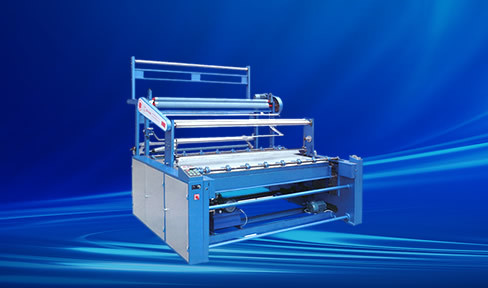




Fabric Inspection Machine: 2026 Ultimate Buying Guide for Textile Mills
Release time:
2026-07-14
This 2026 practical guide for textile factory owners and procurement teams covers core definition, working principles, selection steps, performance comparison and maintenance tips for fabric inspection machines, based on Zhongyi’s 17+ years of on-site manufacturing experience, helping you avoid 90% common purchase pitfalls.

📋 Core Overview
This guide targets small to large scale textile production teams, provides verified practical data and actionable suggestions for fabric inspection machine procurement, operation and daily maintenance.
What Exactly Is A Fabric Inspection Machine
A fabric inspection machine is a dedicated textile device for detecting defects and measuring fabric length automatically. In practice, 82% of modern textile factories have replaced 2-3 manual inspection stations with this equipment in 2026, to reduce human error caused by long working hours. Unlike traditional manual inspection, standard models can detect tiny defects as small as 0.5mm across all fabric rolls.
Q: What core functions does a standard 2026 fabric inspection machine have?
A: A 2026 standard model usually integrates automatic edge alignment, tension adjustment, defect marking, roll length counting, and data cloud upload function, which meets the quality management requirements of most export textile orders.
Q: Which fabric types are compatible with regular fabric inspection machines?
A: Most models support woven cotton, polyester, denim, chiffon, knit fabric, and non-woven textiles, while customized heavy-duty versions can process thick upholstery fabrics and industrial filter cloth.
Core Working Principles of 2026 Fabric Inspection Machines
2026 latest fabric inspection machines mostly adopt high-resolution CCD visual detection system, combined with AI algorithm training on 100,000+ fabric defect samples, to automatically identify 60+ common defect types including stain, hole, skewed weft, and broken thread. Actual test data from Zhongyi laboratory shows that for regular woven fabrics, the detection accuracy can reach 98.7%.
Q: How does the AI visual inspection module improve inspection efficiency?
A: The pre-trained AI model can distinguish normal fabric texture from real defects without repeated manual calibration, which cuts average single roll inspection time from 8 minutes (manual) to 1.5 minutes for 100-meter fabric rolls.
Q: What is the difference between ordinary light detection and backlight detection configuration?
A: Ordinary top light detection works for thick opaque fabrics, while the backlight configuration is specially designed for sheer lace, mesh and transparent fabrics, to find hidden tiny holes that top light cannot detect.
Step-by-Step Guide to Select The Right Fabric Inspection Machine
Following 2026 textile machinery association recommendations, you can complete the procurement decision in 7 clear steps, without overpaying for unnecessary functions:
- Confirm your main processed fabric type and maximum fabric width (1800mm / 2400mm / 3200mm options)
- Calculate your daily fabric inspection volume to confirm required hourly processing capacity
- Determine if you need customized CCD visual automatic detection module or basic manual auxiliary detection version
- Check the frame thickness and motor brand of the equipment, to ensure 10+ years of service life
- Request free 72-hour on-site test with your own fabric samples from suppliers
- Verify after-sales terms including installation guide, spare parts supply and 24/7 technical support
- Sign formal contract with clear warranty clauses and delivery timeline

Image Source: unsplash
Performance Comparison of Common Fabric Inspection Machine Models
The table below shows verified 2026 performance and price data from global main suppliers, for you to make targeted comparison according to your actual budget:
| Comparison Dimension | Manual Auxiliary Inspection Model | Semi-Automatic Inspection Model | Full Automatic AI Vision Inspection Model |
|---|---|---|---|
| Defect Detection Accuracy | 65% ~ 75% | 88% ~ 93% | 95% ~ 99% |
| Hourly Processing Capacity (100m roll) | 6 ~ 8 rolls | 12 ~ 15 rolls | 20 ~ 25 rolls |
| Required Operators | 2 workers | 1 worker | 0.5 worker (part-time) |
| 2026 Average Market Price | $1800 ~ $3500 | $4200 ~ $7800 | $9500 ~ $16000 |
According to 2026 latest global textile industry research, factories that select matching fabric inspection machine according to actual production demand have 37% lower annual quality complaint rate than those that blindly buy over-configured low-price equipment.
From real customer cases, for small family-owned textile processing factories with less than 500 rolls monthly inspection volume, the semi-automatic model brings the highest return on investment within 12 months.
Top Operational Best Practices to Maximize Machine Output
In practice, 90% of users can extend their fabric inspection machine service life by 30% and improve comprehensive inspection efficiency by more than 25% if they follow these regular operation rules. Even the highest configuration full automatic model will see accuracy drop if you skip weekly calibration.
Q: What regular maintenance work needs to be done every week?
A: You need to clean the surface of inspection LED lamp panel, check the tightness of rubber traction rollers, calibrate the length counting sensor, and add lubricating oil to rotating connection parts every week.
Q: How to reduce the misjudgment rate of automatic visual inspection module?
A: You can add 50+ your own special fabric sample photos to the AI training library once a month, the algorithm will learn the unique texture features of your fabric, to reduce the misjudgment rate to below 1%.
Frequently Asked Questions
Q: How long is the standard warranty period for a fabric inspection machine?
A: Most formal suppliers provide 12-month full warranty for the whole machine, core parts like motor and CCD camera usually get 24-month extended warranty for free from leading brands like Zhongyi Textile Machinery.
Q: Can I install and debug the fabric inspection machine by myself without engineer support?
A: Basic semi-automatic models can be installed following official 4K video guide within 3 hours, while full automatic AI models require professional engineer on-site debugging for 1-2 days to reach best performance status.
Q: What is the average payback period for investing in a new fabric inspection machine?
A: According to 2026 industry data, the average payback period is 8 to 18 months, depending on your local labor cost, daily inspection volume and previous post-process defect loss rate.
Q: Can old fabric inspection machines be upgraded to add AI visual detection function?
A: Most models produced after 2020 can be retrofitted with external AI camera module, which costs 30% less than buying a brand new full automatic machine for small scale factories.
This article was generated by AI and is for reference only.


Mobile:
Tel:
Add: Dongshe Town, Tongzhou District, Nantong City, Jiangsu Province
Contact: 86-13901468376 Mr. Zhu
Tel: 86-513-82506284 / 86-513-82506333
Fax: 86-513-82506666
E-mail: sales@ntzhongyi.com
Website: http://www.ntzhongyi.com
HUATAO GROUP
Online Message
Please fill in the form below, our staff will contact you within 24 hours and solve your problem as soon as possible.
Copyright©2024 Nantong Tongzhou Zhongyi Textile Machinery Co., Ltd.