


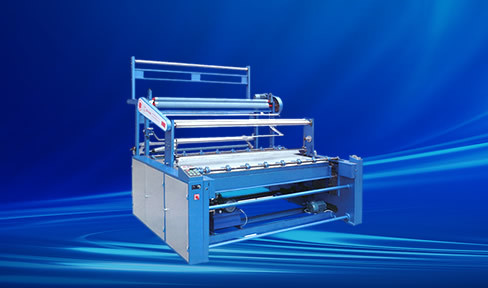




Unraveling the Magic of Fabric Rolling Machines
Release time:
2026-05-15
Discover how fabric rolling machines work and their role in the textile industry.

Image Source: unsplash
The Essentials of Fabric Rolling Machines
Ever wondered how those big rolls of fabric get so neatly packed? Well, let me introduce you to the unsung hero of the textile world: the Fabric Rolling Machine. These machines are an absolute game-changer, and knowing how they operate can be quite enlightening!
How Do They Work?
At the core of a fabric rolling machine, you'll find a simple yet effective principle: it rolls up the fabric into tidy rolls. This process starts with the fabric being fed into the machine, often from a large textile loom or cutting table. Once the fabric enters, a series of rollers and guides ensure it's aligned perfectly.
Breaking Down the Process
Alright, let's dive deeper! The fabric rolling machine typically operates as follows:
- Feeding the Fabric: The fabric is pulled from the source, often via a conveyor system, ensuring a smooth flow into the machine.
- Alignment: As the fabric moves forward, it passes through various guides that help keep it straight and wrinkle-free.
- Rolling Mechanism: This is where the magic happens! The machine uses a series of rollers that gently but firmly wrap the fabric around a core, creating a roll.
- Trimming: Once rolled, excess fabric is often trimmed away, ensuring the roll is uniform.
- Output: Finally, the neatly rolled fabric is ejected, ready for storage or shipping.
Why Are They Important?
Now, you might ask, "Why do we even need these machines?" Well, the answer is straightforward: efficiency! By automating the rolling process, manufacturers can save time and reduce labor costs. Plus, it minimizes fabric wastage, which is a win-win.
Types of Fabric Rolling Machines
Believe it or not, there are several types of fabric rolling machines out there!
- Manual Rolling Machines: These require an operator to assist in the rolling process—great for smaller operations.
- Automatic Rolling Machines: These are fully automated and can handle large volumes with minimal human intervention.
- Specialized Rolling Machines: Some machines are designed for specific types of fabric, like delicate silks or heavy-duty canvases.
The Future of Fabric Rolling Machines
As technology advances, so does the fabric rolling machine. New features like digital controls, integration with inventory systems, and smart technology are becoming more common. This means better precision, faster production times, and even less waste. Talk about a bright future!
Wrapping It Up!
In a nutshell, the fabric rolling machine is a vital cog in the textile industry, ensuring that fabric is rolled efficiently and effectively. So next time you see those big rolls of fabric, you can appreciate the technology and ingenuity behind it all. Isn't it fascinating how something so simple can play such a crucial role? Who knew rolling fabric could be so intriguing?
Related News
Mobile:
Tel:
Add: Dongshe Town, Tongzhou District, Nantong City, Jiangsu Province
Contact: 86-13901468376 Mr. Zhu
Tel: 86-513-82506284 / 86-513-82506333
Fax: 86-513-82506666
E-mail: sales@ntzhongyi.com
Website: http://www.ntzhongyi.com
HUATAO GROUP
Online Message
Please fill in the form below, our staff will contact you within 24 hours and solve your problem as soon as possible.
Copyright©2024 Nantong Tongzhou Zhongyi Textile Machinery Co., Ltd.