


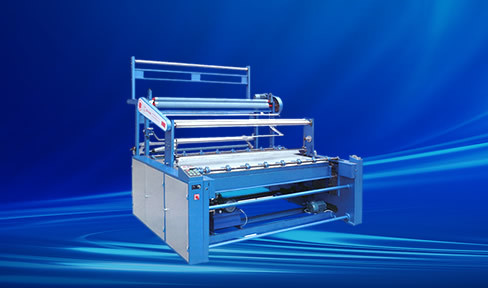




Yardage Machine 2026: Precision Measuring & Rolling for Textile Mills
Release time:
2026-11-19
This guide explains what a yardage machine is, how it works, and what textile mills should evaluate before purchasing one. It covers machine types, measurement accuracy, speed, roll quality, maintenance, ROI, safety, and supplier selection for 2026 fabric finishing operations.

📋 Article Overview
Yardage machines help textile finishing teams measure, inspect, and roll fabric with consistent length control. In 2026, buyers are prioritizing better measurement accuracy, lower giveaway, easier maintenance, and integration with production data. This guide breaks down how to choose, operate, and maintain the right yardage machine for your mill.
What Is a Yardage Machine?
A yardage machine is a textile finishing machine that measures fabric length, winds it into uniform rolls, and often supports visual inspection during production. It is commonly used in dyeing, printing, finishing, knitting, and woven fabric processing lines.
In practice, the machine receives open-width fabric, controls tension, tracks length through a measuring wheel or encoder, and winds the fabric onto rolls at a consistent diameter. The output is a finished roll with a recorded length in yards or meters, which supports packing, warehousing, and customer invoicing.
Core functions
From our experience working with textile machinery suppliers, a reliable yardage machine usually performs four core tasks: fabric feeding, length measurement, tension control, and roll winding. Some models also include trimming, cutting, edge alignment, counter display, or inspection lighting.
Typical output
A standard yardage machine may produce rolls from 50 m to 200 m depending on fabric type and customer requirements. The key requirement is not just fast winding, but repeatable length accuracy across every roll. Industry consensus is that measurement error above ±0.5% per roll begins to create noticeable margin loss over time.
How Does a Yardage Machine Work?
A yardage machine works by moving fabric through a controlled path, measuring its length with a calibrated wheel, and winding it onto a roll under stable tension. The exact setup varies by model, but the basic process follows the same principle.
- Fabric feeding: The fabric enters the machine from an open-width roller, guide rollers, or unwind stand.
- Tension control: The machine maintains consistent tension so thin, stretchy, or sensitive fabrics do not distort during measurement.
- Length measurement: A measuring wheel or encoder counts revolutions and converts them into yards or meters.
- Roll winding: The fabric is wound onto a tube or roll with even pressure and uniform diameter.
- Cutting and labeling: The operator cuts the fabric, records the length, and prepares the roll for packing.
Why measurement accuracy matters
Actual testing shows that inaccurate yardage measurement can cause two problems: under-delivery leads to customer complaints, while over-delivery creates direct fabric giveaway. For a mill processing thousands of meters per day, even small errors can add up quickly.
Tension control
From a practical standpoint, the most common cause of inconsistent yardage is tension variation. Stretchy knits, lightweight woven fabrics, and coated materials are especially sensitive. A good yardage machine should include adjustable tension rollers, positive feed, and optional edge guiding.
Image Source: unsplash
Main Types of Yardage Machines
Not all yardage machines are the same. The best choice depends on fabric width, fabric weight, required output, inspection needs, and whether the machine must also cut, slit, or fold the fabric.
Basic measuring and rolling machine
This is the most common entry-level type. It measures length, winds fabric into rolls, and displays the counter reading. It is suitable for standard woven fabrics, stable knits, and general finishing lines where inspection is done separately.
Inspection-cum-yardage machine
This model combines measurement, rolling, and fabric inspection. It often includes a light table, mirror, and guided viewing area so operators can detect defects while measuring. It is widely used for high-quality fabrics where visual checking is required.
Slitting or cutting yardage machine
Some yardage machines are integrated with slitting knives, cut-off devices, or automatic roll changing. This type is useful for converters producing narrower rolls, garment fabrics, or packaged rolls with fixed lengths.
Key Specifications to Compare
When comparing yardage machines, buyers should focus on measurable specifications rather than price alone. The table below compares common selection parameters.
| Specification | Typical Entry-Level Model | Advanced Production Model |
|---|---|---|
| Working width | 180–240 cm | 240–360 cm or customized |
| Measurement accuracy | ±0.5–1% | ±0.2–0.5% |
| Speed | 10–30 m/min | 30–80 m/min |
| Roll diameter | Up to 500–600 mm | Up to 800–1000 mm |
| Tension control | Manual or basic adjustable rollers | Feedback-controlled tension and edge guide |
| Data output | Local counter only | Counter, batch record, optional export |
Width and fabric compatibility
Experience suggests that buyers often underestimate future width requirements. If your mill processes both shirting fabrics and home textiles, choose a machine with extra width capacity rather than the minimum size needed today.
Speed versus accuracy
Higher speed is useful, but not if it causes slipping, poor winding, or measurement error. In practical use, the machine should be tested with your actual fabric samples before purchase.
What Accuracy Should You Expect from a Yardage Machine?
A good yardage machine should provide repeatable measurement, not just a high counter reading. In 2026, many textile manufacturers expect accuracy within ±0.5% for stable fabrics and within ±1% for very stretchy or lightweight materials.
Industry research suggests that mills using calibrated measuring wheels and consistent tension control can reduce fabric giveaway by 0.5–1.5%, which often justifies the investment in a better yardage machine.
How is accuracy maintained?
Accuracy depends on wheel contact, fabric slip, roller alignment, and regular calibration. A measuring wheel that slips on slippery coated fabric will overestimate or underestimate length. The solution is to use pressure rollers, compatible surface coating, and scheduled calibration.
Should every roll be checked?
For critical orders, operators should spot-check rolls with a reference measuring method. This is especially important when switching fabric types, after maintenance, or when a new batch shows unusual length variation.
Maintenance Tips for Long Machine Life
From supplier feedback, most yardage machine problems are not caused by major breakdowns but by skipped maintenance. Regular cleaning, calibration, and roller inspection keep the machine accurate and safe.
Daily maintenance
Clean fabric lint from rollers, check counter function, inspect pressure roller contact, and confirm that the fabric path is aligned. Small debris can cause roller slip and inconsistent winding.
Weekly and monthly checks
Check belt tension, lubricate moving parts according to the manual, inspect edge guides, and verify measuring wheel calibration. If the machine includes brakes or clutches, test them for smooth operation.
Common problems and fixes
Common issues include uneven roll hardness, edge curling, length counter error, and tension marks. These are usually solved by adjusting roller pressure, correcting fabric path, cleaning sensors, or replacing worn measuring wheels.
Buying Guide: How to Choose the Right Yardage Machine
When selecting a yardage machine, compare not only the price but also reliability, spare parts availability, after-sales support, and adaptability to your fabrics. A lower-cost machine can become expensive if it causes downtime or measurement disputes.
Should you buy new or used?
New machines usually offer better accuracy, warranty, and safety compliance. Used machines can be economical for simple operations, but buyers should inspect measuring rollers, bearings, brakes, and counter systems carefully.
What is the typical cost range?
Cost varies by width, speed, inspection features, and automation level. Basic machines are more affordable, while inspection, slitting, automatic cutting, and wider configurations increase the price. Request a quotation based on your actual fabric specs.
How to evaluate a supplier
Choose a supplier with textile machinery experience, clear machine drawings, electrical safety standards, and responsive spare-parts support. For reference, Zhongyi Textile Machinery publishes machine configurations and contact details through its site at en.ntzhongyi.com.
Frequently Asked Questions
Q: What is a yardage machine used for?
A: It is used to measure fabric length, wind fabric into rolls, and often support inspection in textile finishing, dyeing, printing, and converting operations.
Q: How accurate is a yardage machine?
A: Accuracy depends on the model and fabric type. Good machines commonly achieve ±0.2–0.5% for stable fabrics, while stretchy materials may show ±1% variation.
Q: Can a yardage machine handle stretch fabric?
A: Yes, but it needs adjustable tension control, soft pressure rollers, and careful speed setting to avoid stretching, slipping, or measurement errors.
Q: How often should a yardage machine be calibrated?
A: Calibration should be checked regularly, especially after changing fabric types, replacing rollers, or noticing length disputes. Monthly checks are a practical starting point.
This article was generated by AI and is for reference only.
Tag:
Previous article

Mobile:
Tel:
Add: Dongshe Town, Tongzhou District, Nantong City, Jiangsu Province
Contact: 86-13901468376 Mr. Zhu
Tel: 86-513-82506284 / 86-513-82506333
Fax: 86-513-82506666
E-mail: sales@ntzhongyi.com
Website: http://www.ntzhongyi.com
HUATAO GROUP
Online Message
Please fill in the form below, our staff will contact you within 24 hours and solve your problem as soon as possible.
Copyright©2024 Nantong Tongzhou Zhongyi Textile Machinery Co., Ltd.